

Description
How Antistatic Hoses Work
Antistatic hoses are constructed with materials that have specific electrical properties to safely manage this static charge. There are generally two types:
- Static Dissipative Hoses: These hoses are designed to slowly and safely dissipate the static charge that builds up. They are made from a material, such as a special PVC or polyurethane, that has a controlled level of electrical resistance. This allows the charge to spread out and discharge harmlessly.
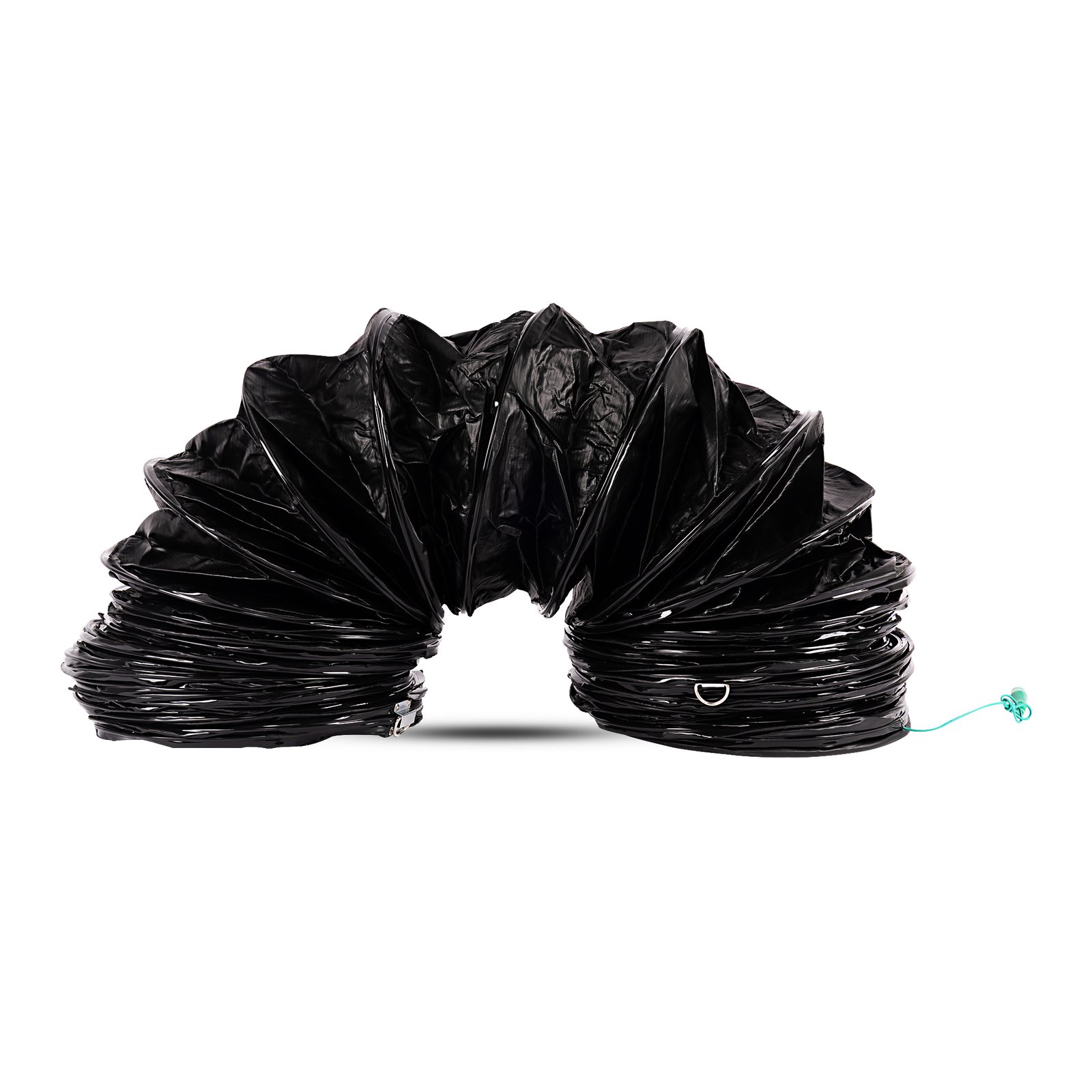
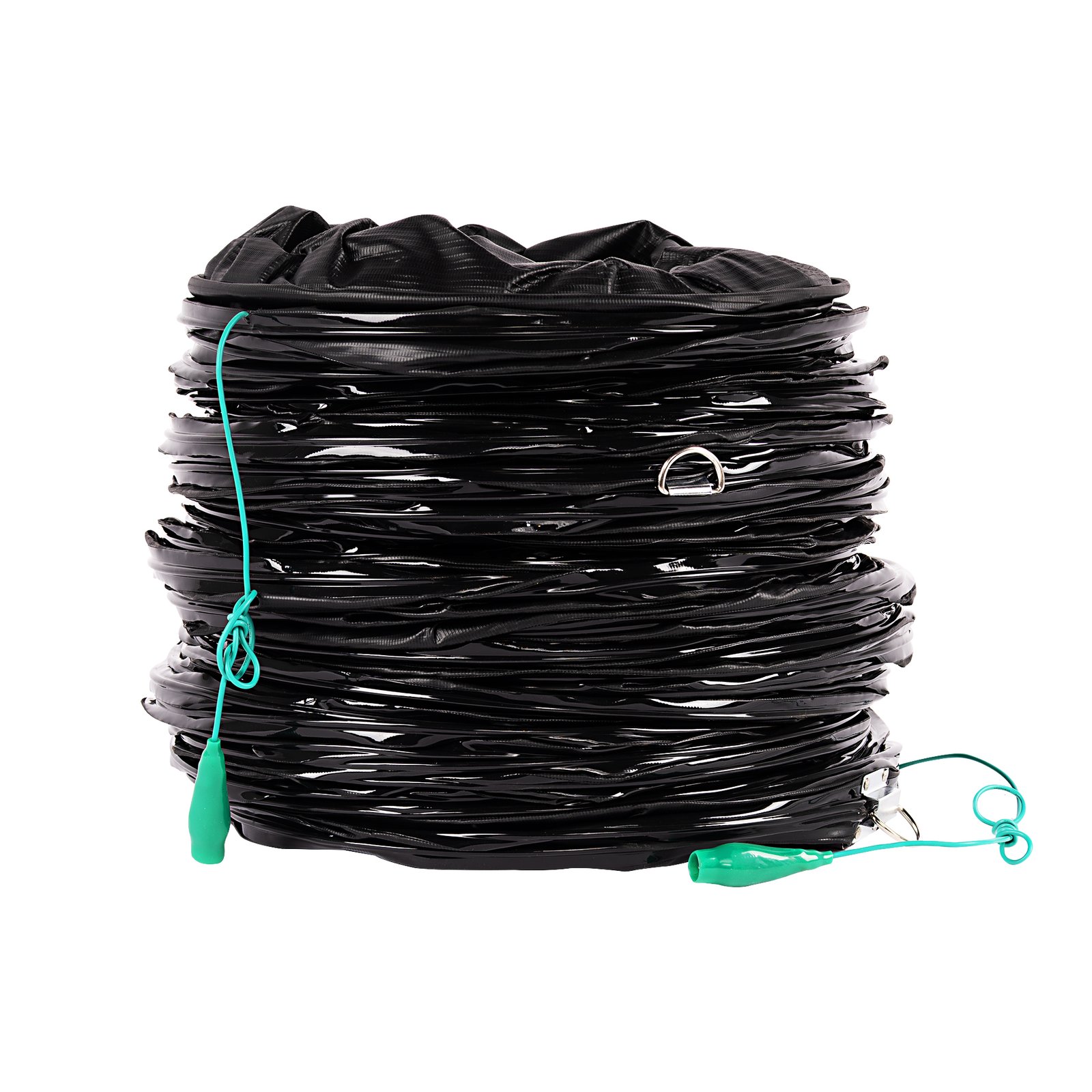
- Static Conductive Hoses: These hoses have a lower electrical resistance, meaning they are more conductive. They often include an embedded grounding wire or helix that provides a direct path for the static charge to be safely conducted to the ground, preventing any buildup.
For either type to be effective, proper grounding of the hose and the connected equipment is crucial.
Key Features and Benefits
- Explosion Prevention: This is the most critical benefit. By preventing static discharge, antistatic hoses are a fundamental safety measure in hazardous areas.
- Material Compatibility: They are available in a variety of materials (PVC, polyurethane, rubber, etc.) to handle a wide range of media, from fine powders to corrosive chemicals.
- Durability: Many antistatic hoses are also highly resistant to abrasion, chemicals, and temperature extremes, ensuring a long service life even in tough conditions.
- Compliance: They are manufactured to meet strict international safety standards for use in classified hazardous locations.
Common Applications
Antistatic hoses are indispensable for maintaining safety in a variety of industries where combustible dust or flammable substances are present.
- Dust Collection: Essential for woodworking shops, grain mills, and other facilities that handle combustible dust.
- Chemical and Pharmaceutical Industries: Used for the safe transfer of powders and volatile chemicals.
- Oil and Gas: Employed in a variety of processes where flammable vapors and liquids are moved.
- Plastics and Manufacturing: Used for pneumatic conveying of plastic pellets and other materials that generate static electricity.
- Agriculture: Critical for handling and conveying grains and other agricultural products.

Reviews
There are no reviews yet.